
Jaw pain and TMJ treatment
in Costa Rica.
Dr. Francisco Peralta Macaya, Master in Orthokinetics since 2011.
Watch the explanationBefore you watch the video
Neck, head, or back pain, and no one can find the cause?
The problem may not be where it hurts. In some patients, TMJ dysfunction, teeth grinding, posture, and the bite play a part in pain felt far from the chewing system.
Explanatory video
Referred pain, myofascial chains, and the bite-posture relationship
The video explains why some TMJ disorders (TMD) do not show up only in the mouth or the joint. When jaw function changes, the body can build muscle and posture compensations that show up as neck pain from the bite, headaches from the TMJ, teeth grinding, a changed posture, or even low-back discomfort.
Credit: this video belongs to Dr. Diego Tatis and is included as outside educational material. The clinical interpretation, the functional evaluation, and treatment in Costa Rica are provided by Dr. Francisco Peralta Macaya at Odontoser.
The Odontoser approach in Costa Rica
At Odontoser we apply this approach in a personal clinical visit to study TMJ, bite, teeth grinding, and posture as one functional picture, not only from the spot where the pain shows up.
- How referred pain shows up in patients with a changed TMJ.
- Why the bite can play a part in neck pain, headaches, teeth grinding, and back pain.
- Why function should be evaluated before treating an isolated symptom.
- What a full evaluation of the chewing system and posture is looking for.
This video is in Spanish.
If this approach fits your symptoms, the Orthokinetics evaluation looks for a clinical link between TMJ, posture, and referred pain before treatment is recommended.
Outside educational material credited to Dr. Diego Tatis.
Patient education
Pain is not always where it hurts
This section adds to the clinical explanation of Orthokinetics and helps you understand referred pain, myofascial chains, bite, TMJ, and body posture.
Reference video credited to Dr. Diego Tatis, a Colombian specialist in the functional approach. In Costa Rica, Orthokinetics evaluation and treatment at Odontoser are provided by Dr. Francisco Peralta Macaya.
Does this sound like you?
A functional evaluation may help if you have several of these symptoms
Neck pain from the bite, or frequent jaw tension.
Headaches from TMJ or teeth grinding, with no clear cause.
Teeth grinding, tooth wear, or pain when chewing.
A sense that posture has changed, a stiff neck, or tension in the shoulders.
Referred pain
The body does not always hurt at the point where the problem starts. A functional change can send pain to the neck, head, back, or even the low back.
Bite, TMJ, and posture
The TMJ is part of one neuromuscular system. If the bite makes the body compensate, posture and the myofascial chains can change too.
A full functional diagnosis
Orthokinetics evaluates function, not only symptoms. The goal is to see whether the bite and the TMJ are playing a part in pain that seems to be somewhere else.
Pain is an alarm
Feeling pain does not mean the problem is exactly in that spot. Often the symptom is a signal that something in the system is compensating or failing.
Treating the symptom is not enough
Pain relievers, massage, or local treatment can ease it for a while, but the pain comes back if the real cause is still active.
The body works as a connected system
Muscle, nerve, and fascial chains carry tension and compensations. That is why a bite or posture problem can show up in another area.
The origin has to be found
The full approach looks for which system started the dysfunction, and how it affects the rest of the body, before treatment is chosen.
What the video highlights
Factors that can create pain
The video sums up four common causes that help explain why pain lasts or comes back even when it is treated locally.
A key point in the video is that referred pain can mislead you if it is read only by the area where it shows up. A clinical evaluation has to rule out important causes and see the body as a system.
How Orthokinetics uses this
What this approach adds to a functional evaluation
Shoulder pain can be related to imbalances in the chewing system and the bite.
A change in the foot or in posture can end up causing neck or back pain through compensations.
Referred pain can be clinically important: even a heart attack can be felt in the jaw or arm, not only in the chest.
A practical takeaway
In Orthokinetics this kind of review helps keep the diagnosis from stopping at the spot that hurts. The chewing system, the TMJ, posture, and compensations are studied to see whether the real cause is in function, not only in the symptom.
What is Orthokinetics?
Orthokinetics is an advanced clinical approach focused on diagnosing and treating TMJ disorders (TMD), using current technology.
A whole-body approach
It goes beyond traditional dentistry by looking for balance across the jaw, the neck, the neuromuscular system, and full body posture.
A precise diagnosis
It uses advanced 3D technology, computerized posture analysis, and specialized software for a personal diagnosis of the cause of jaw disorders.
Results beyond the mouth
It does more than treat mouth symptoms. It eliminates migraines, neck pain, tinnitus, posture problems, and other chronic symptoms related to TMJ disorders (TMD).
Dr. Francisco Peralta Macaya
Master in Orthokinetics since 2011
Former president of the Academia Costarricense de Ortodoncia
Dr. Peralta explains: How does the orthokinetic splint work?
Watch Dr. Francisco Peralta Macaya explain how the orthokinetic splint works, how it is designed, and how it is used. Learn why this treatment eliminates the pain at its source.
This video is in Spanish.
What can an orthokinetic splint improve?
- Migraines, neck pain, and muscle tension by repositioning the jaw and stabilizing the TMJ
- Tinnitus, dizziness, and vertigo by taking pressure off the joint and improving neuromuscular function
- Posture and body balance by aligning the jaw-skull relationship with the posture axis
- Teeth grinding and tooth wear by stabilizing a functional bite without pain
- Sleep quality and fatigue by normalizing muscle activity and improving breathing
Symptoms Orthokinetics treats
Orthokinetics addresses a wide range of body-wide and chronic symptoms associated with TMD.
Head and neck pain
- Migraines
- Headaches
- Neck pain
- Cervicalgia
- Scalp sensitivity
Ears and balance
- Ear pain
- Tinnitus (ringing)
- Dizziness
- Vertigo
- Loss of balance
Muscles, joints, and posture
- Back pain
- Low back pain
- Sciatica
- Knee pain
- Chronic fatigue
Referred nerve symptoms
- Arm pain
- Numb fingers
- Carpal tunnel syndrome
- Referred pain
Other chronic symptoms
- Sleep problems
- Mental fog
- Trouble swallowing
- Eye pain
- Fibromyalgia
Mouth symptoms
- Teeth grinding
- Tooth wear
- Pain when chewing
- Jaw clicking
- Limited opening
Real stories, Real results
See how we change smiles and improve lives. Watch real patient stories and learn about our treatments.
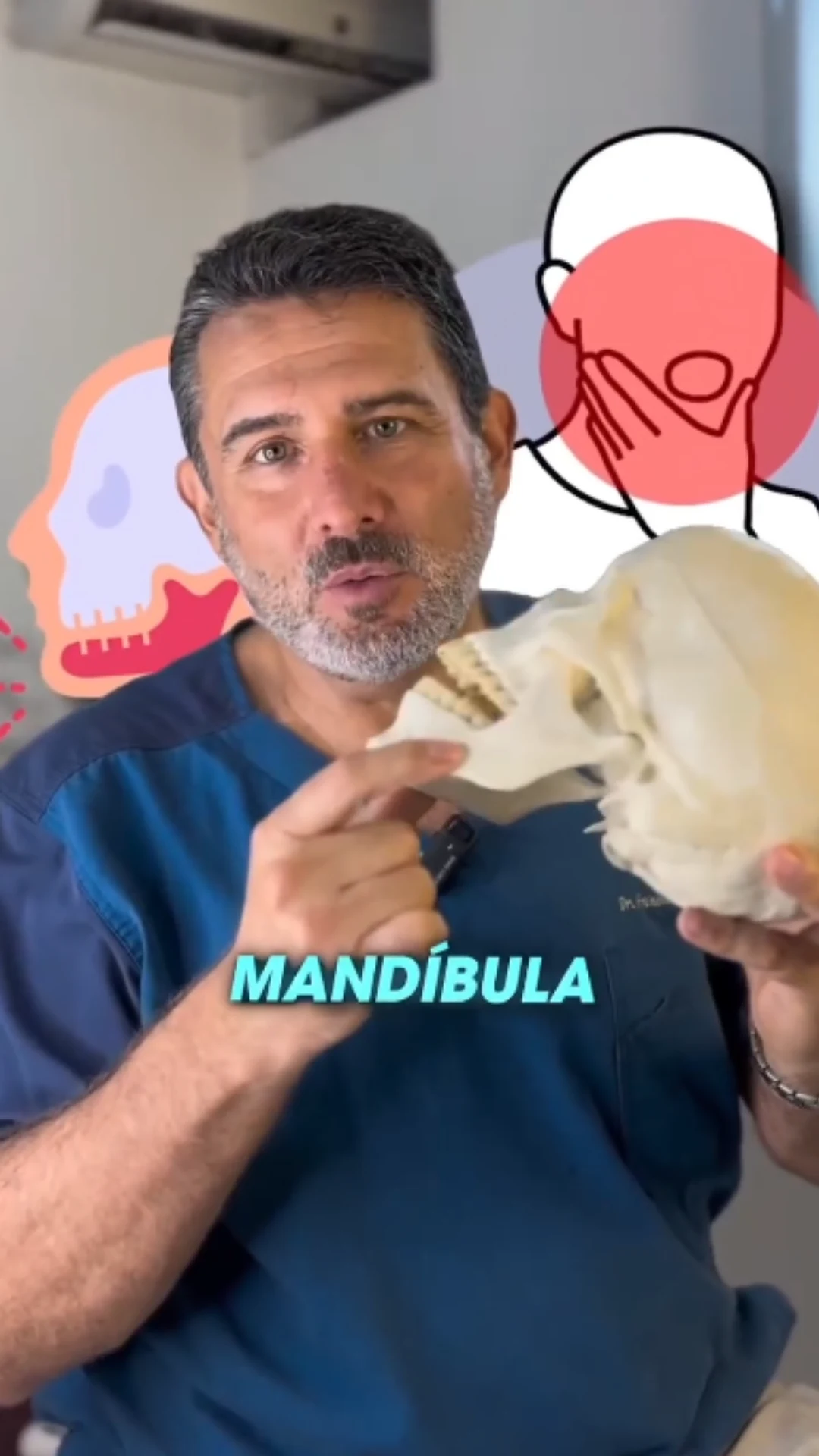
¿Los Mareos Pueden Ser Culpa de tu Mandíbula?
🦷 Si tienes mareos, esto puede ser culpa de tu mandíbula. Te explicamos el por qué y cómo nuestros especialistas pueden ayudarte.
This video is in Spanish.
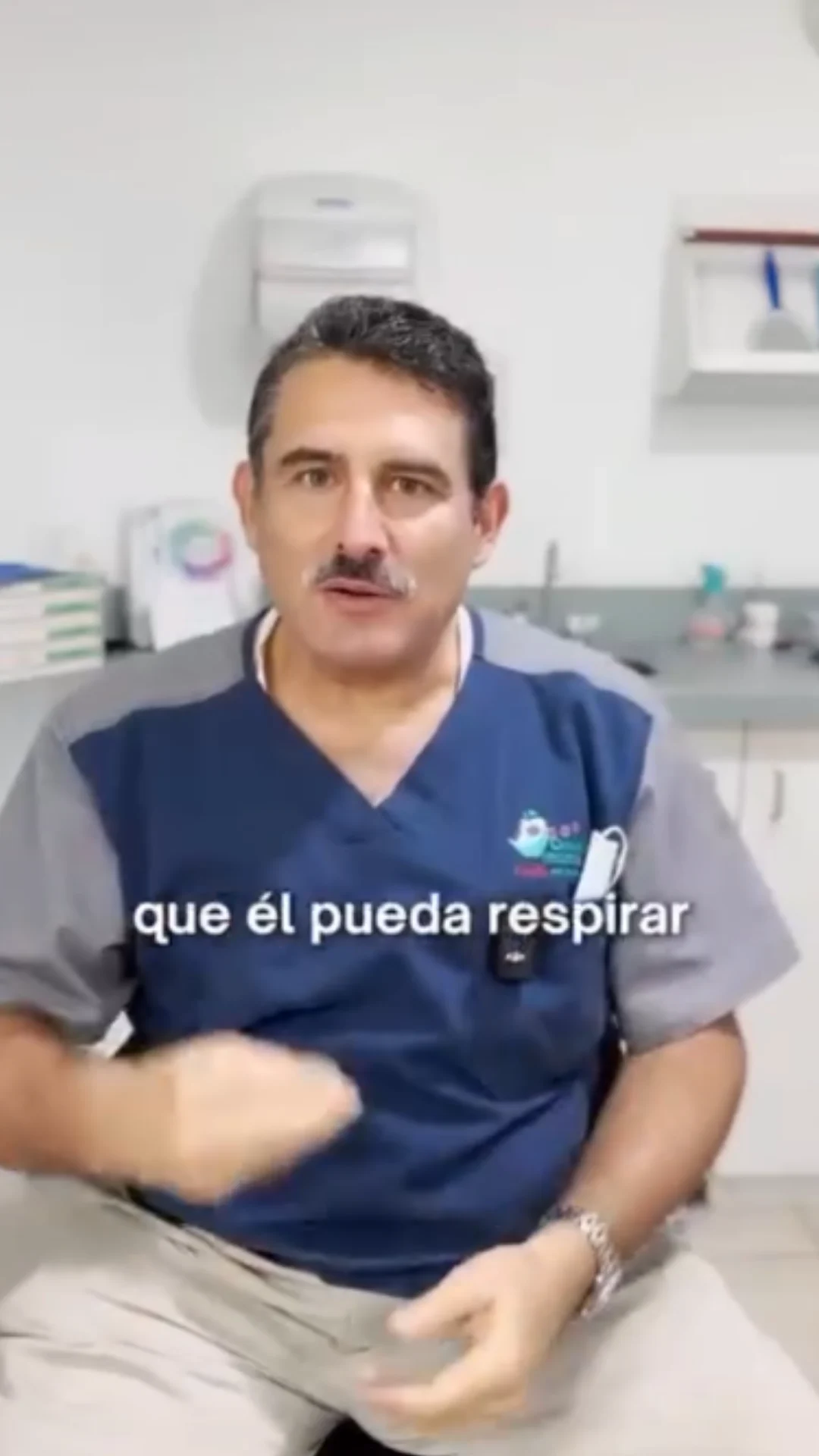
Testimonio - Problemas Respiratorios
Este es el testimonio de uno de nuestros pacientes, el cual tenía una obstrucción de sus vías aéreas inferiores causando problemas como ronquidos en exceso.
This video is in Spanish.
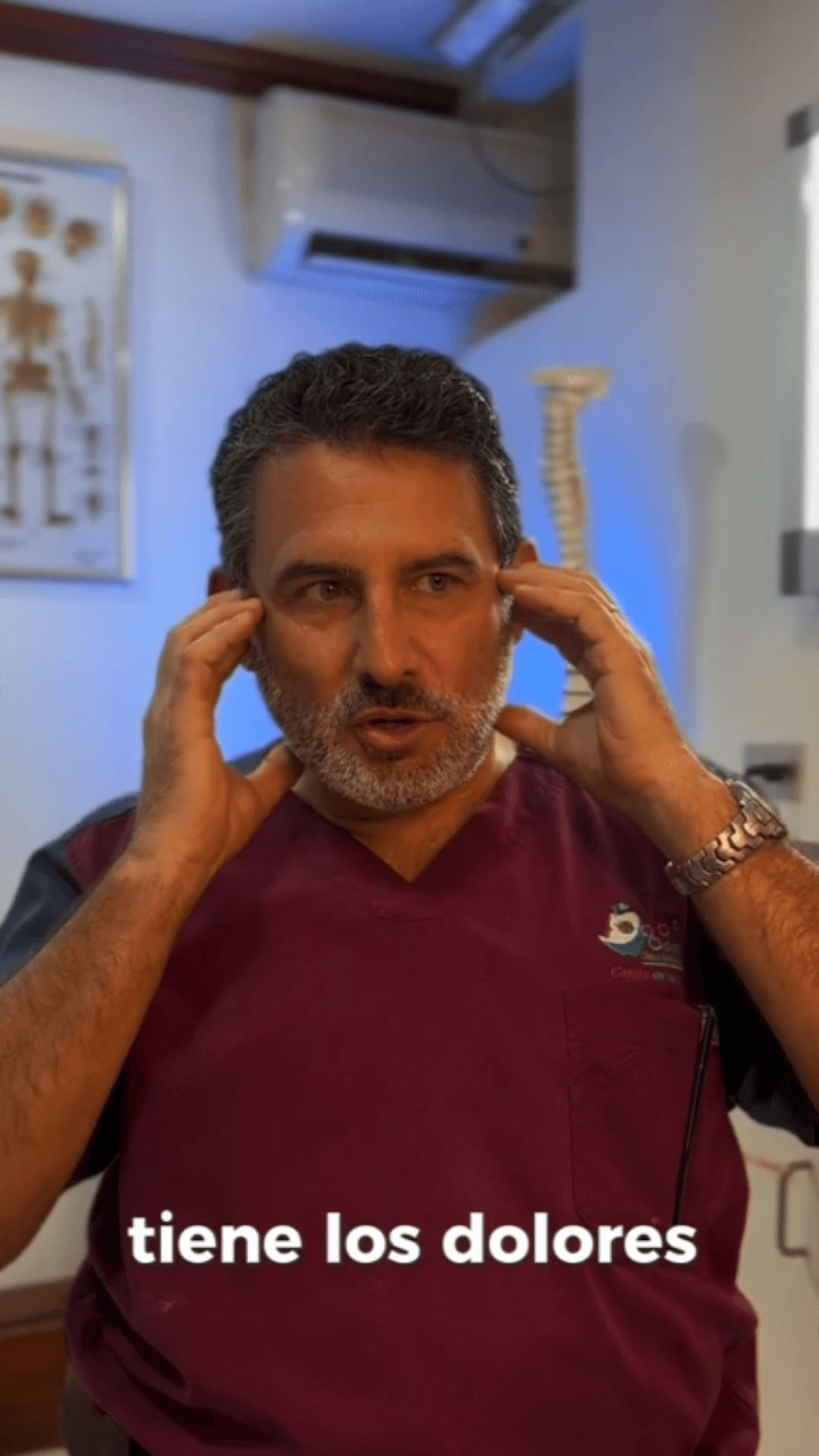
Testimonio - Problema Mandibular
Testimonio real de un paciente que sufrió problemas mandibulares y cómo la Ortokinética le ayudó a recuperar su calidad de vida.
This video is in Spanish.
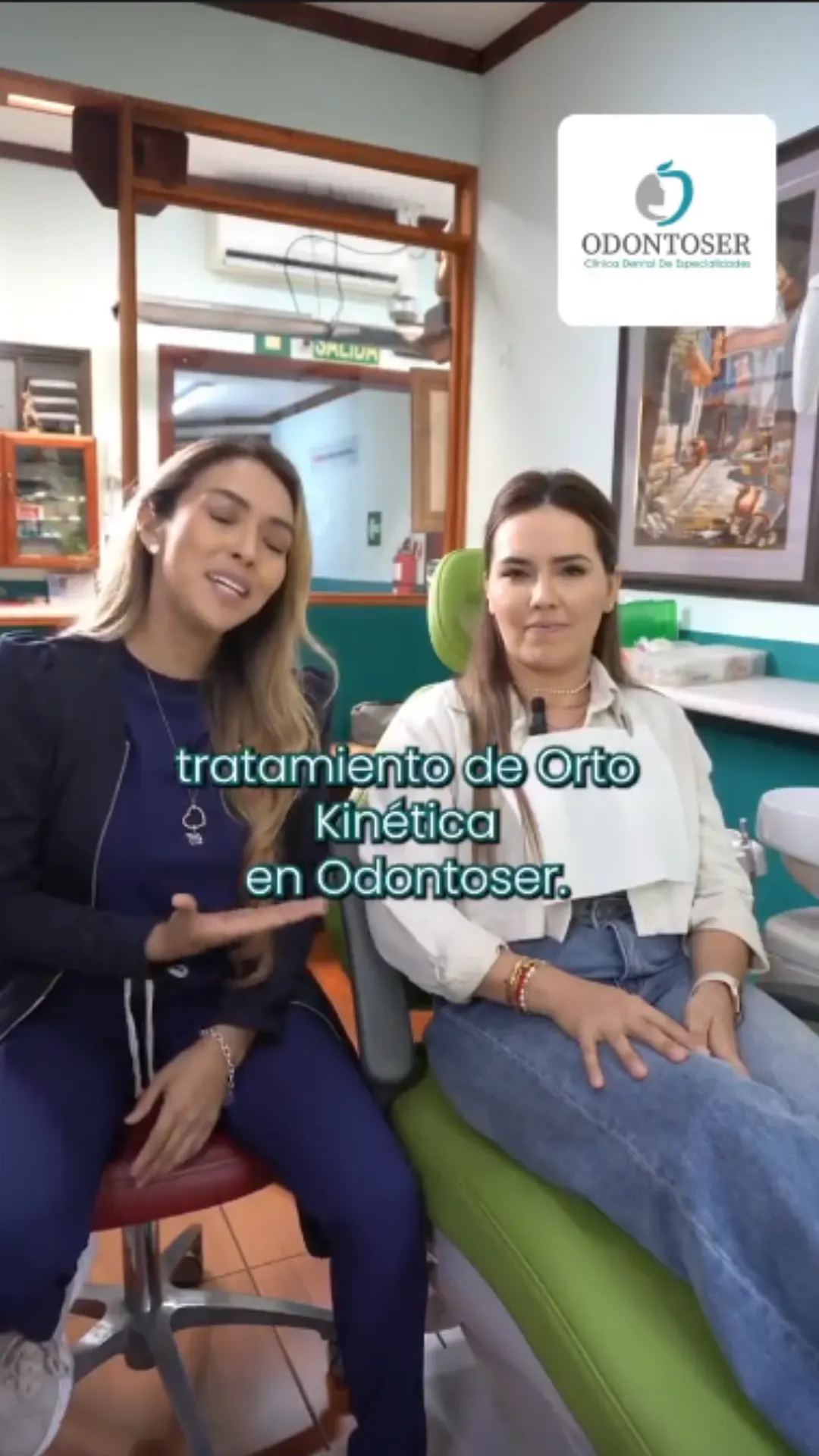
Información sobre Ortokinética
Si tienes mareos, esto puede ser culpa de tu mandíbula. Te explicamos el por qué y cómo nuestros especialistas pueden ayudarte.
This video is in Spanish.
Ready to change your smile?
Book your visit now and see how we can help
The Orthokinetics treatment process
The protocol moves through phases, starting with stabilization and finishing with a lasting correction.
Phase I: Stabilization
Orthokinetic splint
Length: 6-12 months
Goal: Stabilize the joint and eliminate symptoms
Phase II: Lasting correction
Orthokinetic orthodontics
Length: 12-24 months
Goal: A lasting correction and long-term stability
Common questions about Orthokinetics, TMD, and the TMJ
Answers to the questions patients ask most. If yours is not here, write to us on WhatsApp.
How do I know if my headache or neck pain is from TMD or the TMJ?
When the pain comes with clicking when you open or chew, jaw stiffness on waking, pain in front of the ear, or tenderness when chewing, the TMJ is often not working as it should. A clinical evaluation and 3D studies confirm the diagnosis.
How soon will I notice a change with the orthokinetic splint?
Most patients report pain relief in the first 2 to 6 weeks of continuous use. Full stabilization of the joint often takes 6 to 12 months, depending on the case.
How is it different from a regular night guard?
An orthokinetic splint is digitally programmed to reposition the jaw and take pressure off the joint, looking for neuromuscular and postural balance. A typical night guard only protects the teeth. It does not correct the cause of the pain.
Can Orthokinetics help with tinnitus (ringing) and dizziness?
Yes. By taking pressure off the TMJ and normalizing neuromuscular function, many patients report less tinnitus, dizziness, and vertigo linked to TMD. The result depends on the specific cause for each patient.
How long is the full treatment?
Phase I (stabilization with the splint): 6–12 months. Phase II (lasting correction with braces and/or restoration): 12–24 months. The plan is personalized to your diagnosis and clinical goals.
Can I work and exercise with the splint?
Yes. The splint is made to be comfortable for continuous wear, including work and physical activity. We give you personal guidance for speaking, eating, and training while you get used to it.
Get tips and special offers
Subscribe to our newsletter for dental health tips and exclusive offers